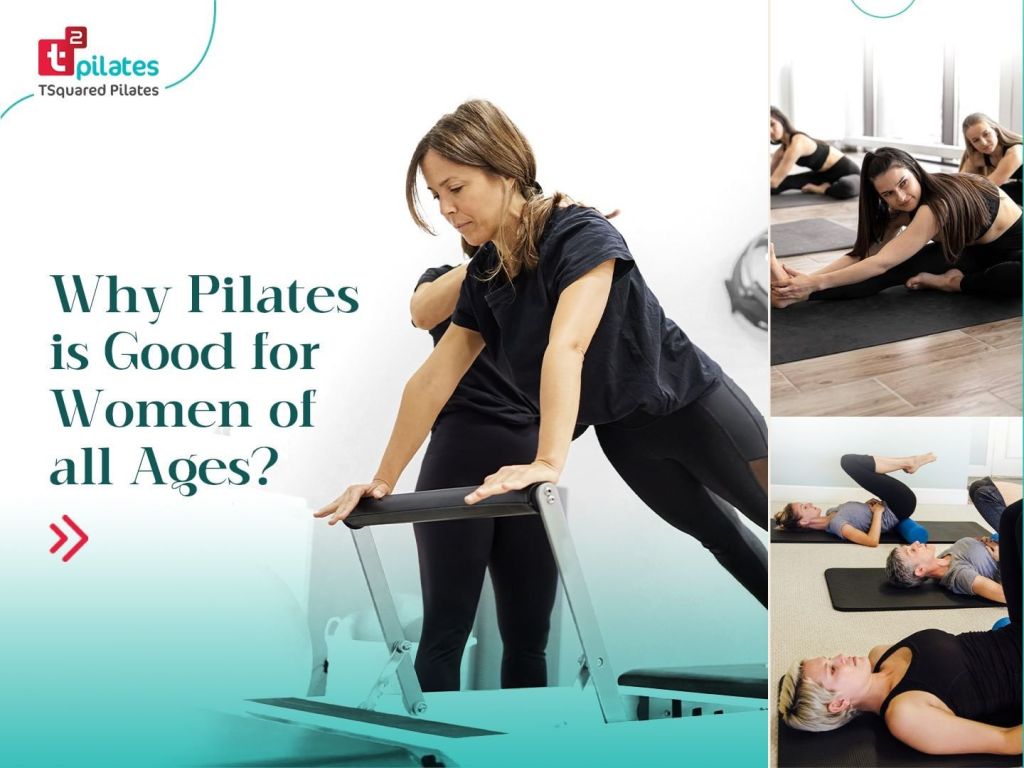
Born in Germany in 1883, Joseph Pilates faced health challenges from a young age, which led him to explore various forms of exercise and physical conditioning.
In the early 20th century, during World War I, Joseph Pilates was interned in a camp along with other German nationals. It was here that he began refining and teaching his system of exercises, which he called “Contrology.” His method focused on the integration of mind and body, emphasizing core strength, flexibility, and controlled movements.
After the war, Joseph Pilates moved to the United States and opened a studio in New York City with his wife Clara. Over time, his unique approach to fitness gained popularity, especially among dancers and athletes who appreciated its emphasis on core strength and overall body control.
The Pilates method continued to evolve and gain recognition throughout the 20th century and has since become a mainstream form of exercise. Today, Pilates is practised worldwide, with various adaptations and styles, and is recognized for its holistic approach to physical fitness and well-being.
Now that brings us to a question.
Why is Pilates so important in today’s workout?
Pilates, over the ages, has evolved and worked on. No, it is not another form of yoga. Rather, it has similarities to yoga but it is not of the same house, at all. Pilates, too look after the overall wellness of the body while integrating different workouts in one.
First off, it’s like the best of mindful exercise. In a world where we’re all about quick fixes and high-intensity craziness, Pilates is that calm, collected friend reminding us to slow down and do things with purpose.
Now, here’s the best part—it’s not just about getting a six-pack. Pilates is like a full-body symphony. It hones in on your core, yes, but it also gives love to muscles you didn’t even know existed. It’s not a one-trick pony; it’s rather a holistic approach that makes your whole body move in a realigned way.
In our tech-dominated lives where we’re all hunched over screens, Pilates is the superhero fixing our posture. It’s the reset button for our bodies, undoing the damage from hours of desk slouching.
And let’s not forget the mental game. Pilates is also like a mini-vacation for your brain. The focus on controlled movements and that mind-body connection? It’s the antidote to the chaos of our daily lives.
Why Pilates is Good For Women?
Here’s one more thing that needs to be addressed. People say that Pilates is only made for women. It is absolutely wrong.
One sort of exercise, when built can cater to different body types. That is true. But what is not true is that Pilates is designed for only women. Different bodies have different structure that works on different effects when working out. Pilates does not have a gender bias when it comes to training bodies. It is an exercise for all though age groups can slightly work around this issue.
But, it can be said that it provides some good benefits to women. And there are scientific reasons why so.
Core strength enhancement
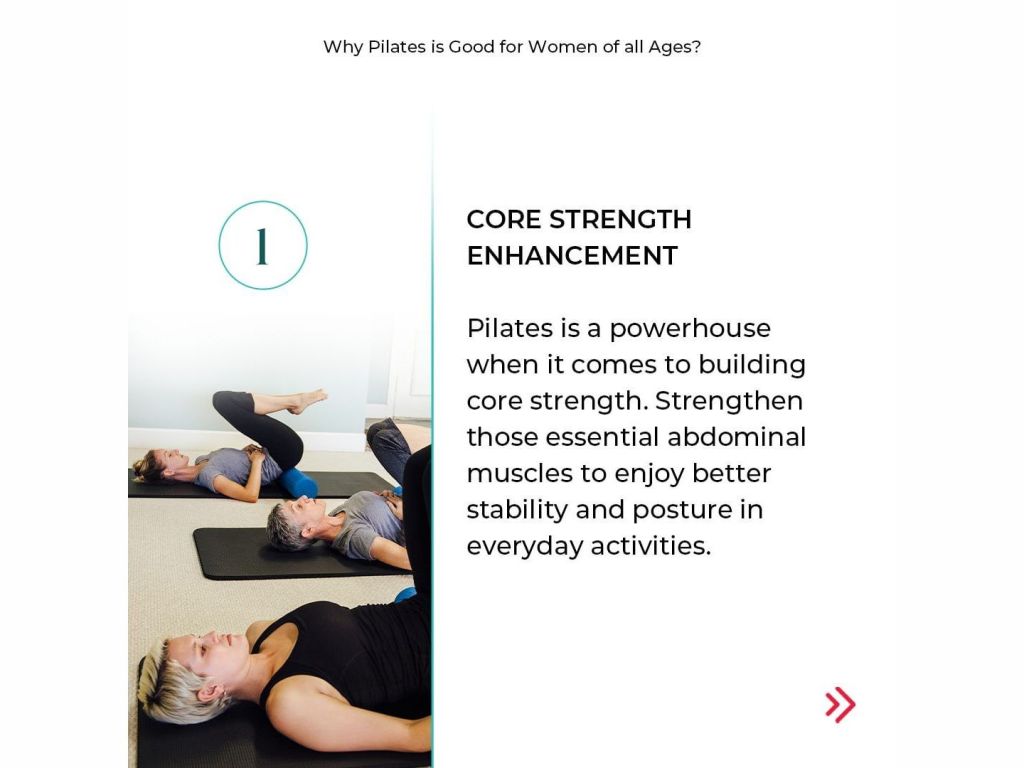
Strong core muscles mean better posture. In a world where we spend way too much time slouched over screens, Pilates is your posture superhero. It’s like a gentle reminder to stand tall and own your space.
Once your abdominal muscles are completely engaged in a full-fledged restricted sort of exercise, you tend to gain strength in it. It also targets your pelvic floor to both contract and release which is a sign of ultimate strength.
Empower your pelvic floor
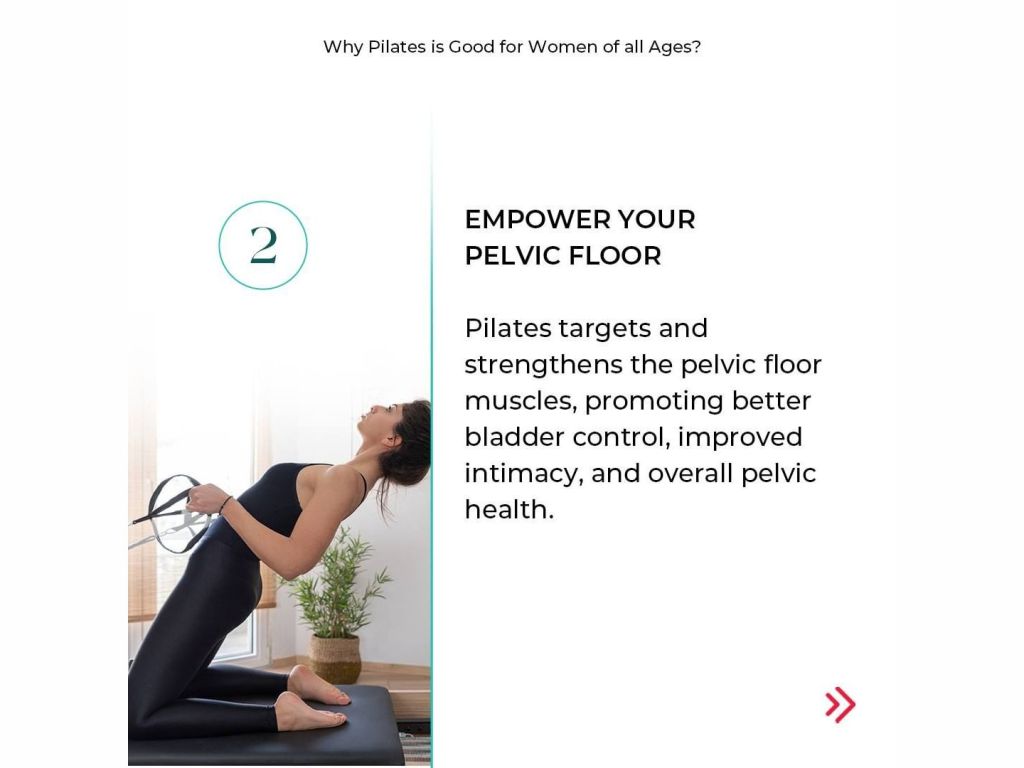
Pilates, with its targeted and controlled movements, becomes the secret sauce for empowering
your pelvic floor. Those deep pelvic muscles get a personalized workout plan, not just a generic routine. Pilates work on them, giving a strength boost that’s like a superhero cape for your pelvic floor.
So, why does this matter? Well, a strong pelvic floor isn’t just about doing fancy yoga poses; it’s a game-changer for women. Pilates helps prevent issues like incontinence and provides support for pelvic organs, especially post-pregnancy. It’s like creating a solid foundation that radiates strength from the inside out. Plus, it adds an extra layer of confidence—you’re not just doing Pilates; you’re owning your pelvic power.
Injury prevention
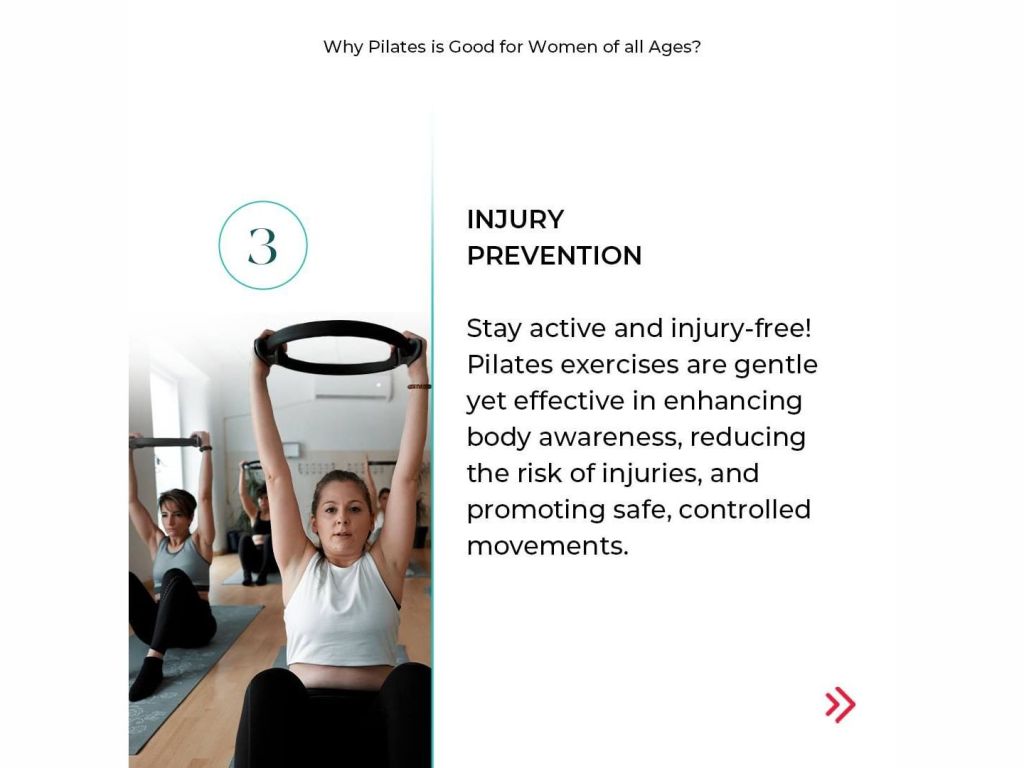
The cornerstone of this injury prevention magic lies in core stability. Pilates meticulously targets deep stabilizing muscles, fortifying the core like a protective shield. By nurturing a strong foundation, it minimizes the risk of injuries to the spine and surrounding muscles, offering a robust defence against strains and sprains.
Balance is the watchword in the Pilates playbook. Pilates isn’t into favouritism; it works all the muscles equally. Unlike workouts that might spotlight certain muscle groups at the expense of others, Pilates acts as a maestro of equilibrium. Its exercises are crafted to engage various muscle groups, ensuring a symmetrical and balanced development. This balanced approach plays a pivotal role in injury prevention by averting the pitfalls of overuse injuries often associated with uneven muscle development.
Flexibility, the unsung hero of injury prevention, takes centre stage in Pilates. The controlled stretches and movements not only enhance flexibility but also act as a safeguard against muscle tightness—the silent instigator of injuries. Plus, it’s like a personal trainer for your joints, keeping them happy and healthy.
Flexibility revival
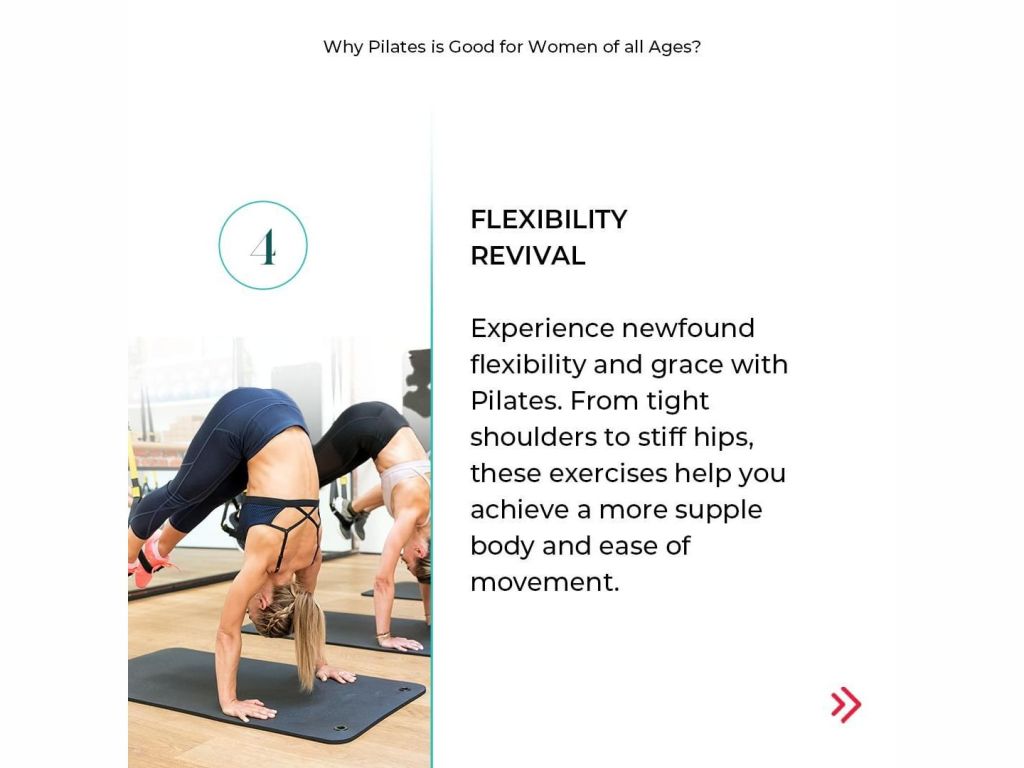
As said before, pilates isn’t into favouritism. With an overall improvement, pilates tends to make your body much more flexible than before.
And yes, you are right here. This busts a myth in the correct way. For pilates, you don’t need to be flexible. Rather, pilates make you flexible. Being consistent in restraining your movement in one particular way, brings out the flexibility of that region.
So, if you’ve been dreaming of doing the splits or simply want to move without feeling like a rusty robot, Pilates is your flexibility fairy godmother. It’s not just about bending your body; it’s about embracing a body that moves with grace and ease.
Stress Reduction
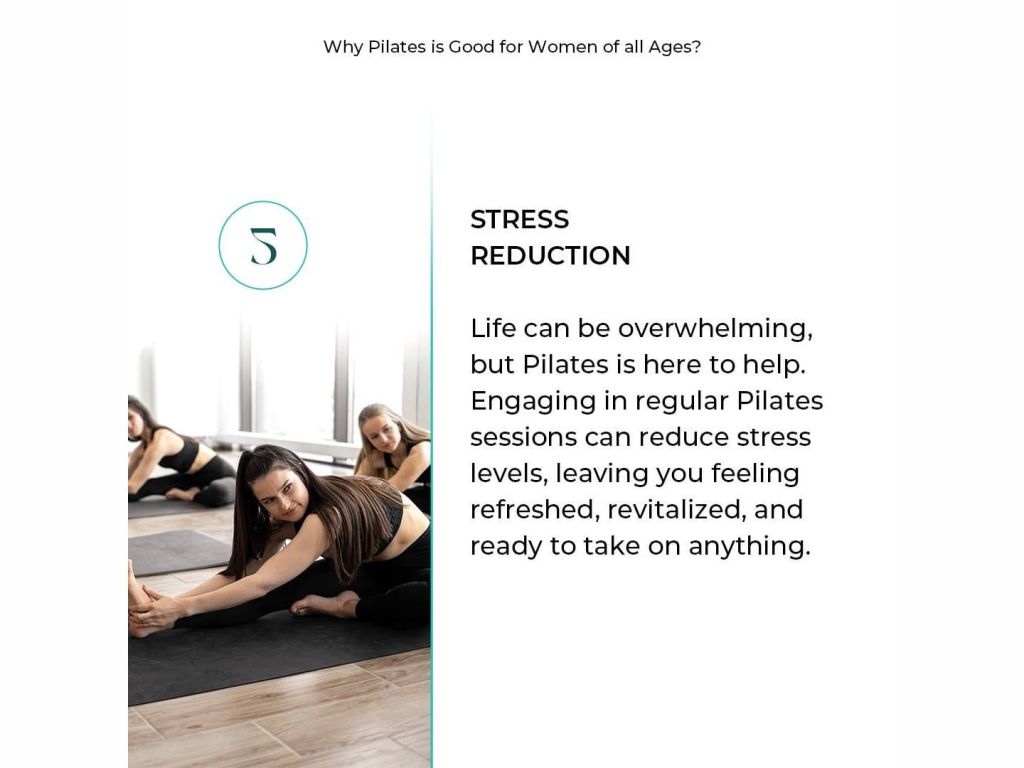
Pilates is like the zen master of workouts, and stress doesn’t stand a chance. The secret sauce? Mindfulness. It’s not just about going through the motions; it’s about being present in every stretch and twist.
And let’s not forget the breathwork. Pilates is all about that rhythmic breathing that’s like a mini-vacation for your brain. Inhale the calm, exhale the chaos. It’s like a reset button for your nervous system, helping you leave the stress at the door.
The controlled, deliberate movements in Pilates are more than just a physical workout; they’re a form of moving meditation. Stress is like a cloud that dissipates with each graceful motion. Your mind gets a breather, and your body follows suit.
Summary
In a nutshell, Pilates empowers women’s health by sculpting strength, enhancing flexibility, and promoting core stability. It’s a holistic approach that not only tones muscles but also improves posture and prevents injuries. With its focus on mindful movements, Pilates becomes a sanctuary for stress reduction, fostering mental well-being. In short, Pilates is the key to unlocking a healthier, stronger, and more balanced version of you.
So, roll out your mats and get to pilates!

 TSquared Pilates
Leave a comment